
Important Things to Know About Dry Cleaning
Dry cleaning is a common method of cleaning delicate fabrics and clothes that cannot withstand the rigors of a home-based laundry. This article delves into the multifaceted world of dry cleaning to provide a comprehensive understanding of its processes, benefits, and considerations. Whether you are a regular user of dry cleaning services or someone seeking to understand its intricacies, this detailed guide will illuminate its many aspects. From historical roots to modern innovations, the journey of dry cleaning is rich with interesting developments. Discover how this essential service continues to adapt to the needs of consumers and the challenges of the environment.
1. What Is Dry Cleaning?
1.1 The History of Dry Cleaning
The history of dry cleaning dates back to ancient times when early detergents like ammonia or lye were used for cleaning garments. However, the formal practice of dry cleaning began in 1855 when Jean-Baptiste Jolly, a French dye-works owner, noticed that kerosene could be used to clean stains. Over the years, dry cleaning evolved significantly with the introduction of more efficient and safer solvents such as perchloroethylene in the 20th century. These advancements not only improved cleaning results but also contributed to the growth of the dry cleaning industry worldwide. Today, the history of dry cleaning serves as a foundation upon which modern practices continue to build.
1.2 How Dry Cleaning Differs From Regular Washing
Dry cleaning differs from regular washing primarily because it does not use water. Instead, it employs chemical solvents to clean fabrics without causing the shrinkage or damage that water may induce in certain textiles. Regular washing machines agitate clothing, which can be harsh on garments, whereas dry cleaning involves less mechanical action. This makes dry cleaning particularly suitable for delicate and high-value items like silk, wool, and suits. The dry cleaning process allows sensitive fabrics to retain their texture and color much more effectively than traditional washing techniques.
1.3 Key Components and Equipment in Dry Cleaning
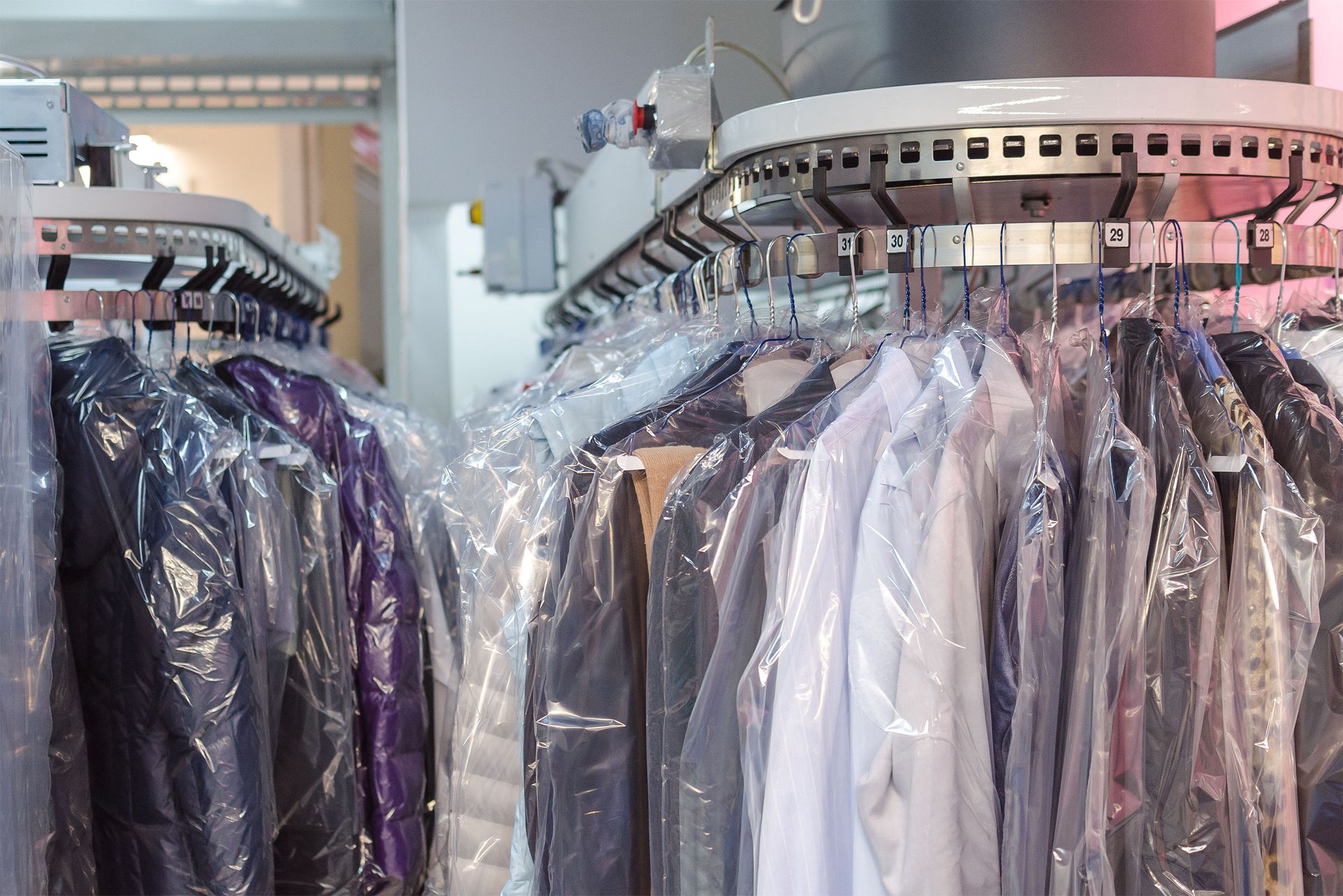
Dry cleaning relies on specialized equipment that includes machines resembling oversized washers designed specifically for solvent-based cleaning. These machines manage the solvent cycle and recovery systems that are central to professional dry cleaning operations. Key components include the rotating drum, solvent containers, filters, and distillation units that separate oils and grease from the solvent. The machinery is designed to minimize exposure to chemicals while improving cleaning efficiency. Proper maintenance and operation of dry cleaning equipment are crucial for effective stain removal and garment preservation.
1.4 Advantages of Dry Cleaning Over Traditional Laundering
Dry cleaning offers numerous advantages over traditional laundering, making it the preferred option for delicate or structured garments. One major benefit of dry cleaning is its gentle cleaning method that preserves the integrity of fabrics such as wool suits, silk dresses, and formal wear. Dry cleaning is also highly effective at removing stubborn grease or oil stains that water-based washing may struggle to treat. Additionally, dry cleaning minimizes the risk of shrinkage and color fading, extending the lifespan of clothing. Since jackets and coats do not come into direct contact with the skin, many experts recommend dry cleaning them only once per season, according to StichFix.
2. The Dry Cleaning Process
2.1 Pre-Treatment: Spotting and Stain Removal
The pre-treatment stage, often called spotting, is an important step in professional dry cleaning. During this phase, technicians inspect garments closely to identify stains and evaluate the condition of the fabric. Specialized spotting solutions are applied to loosen oils, dyes, and debris before the garment enters the main dry cleaning cycle. This careful preparation significantly improves the effectiveness of dry cleaning because untreated stains can set during the cleaning process. Skilled technicians tailor each spotting method to the fabric and stain type.
2.2 The Cleaning Phase: Solvent Application
During the primary cleaning phase, garments are loaded into a machine designed specifically for dry cleaning. Solvents circulate through the clothing to dissolve dirt, oils, and other contaminants. Unlike water washing, the dry cleaning solvent lifts debris from the fabric while maintaining the garment's structure. Once the cleaning cycle is complete, the machine extracts and filters the solvent so it can be reused in future dry cleaning cycles. This recycling system makes professional dry cleaning both efficient and cost-effective.
2.3 Post-Cleaning: Drying and Pressing
After the solvent cleaning stage, garments enter the drying portion of the dry cleaning process. Warm air helps remove any remaining solvent from the fabric while restoring the garment's natural texture. Once the drying stage is complete, the garments are pressed and shaped using specialized equipment. Professional pressing is an essential part of dry cleaning because it restores crisp lines and eliminates wrinkles. The finishing process helps clothing look freshly pressed and professionally maintained.
2.4 Final Inspection and Packaging
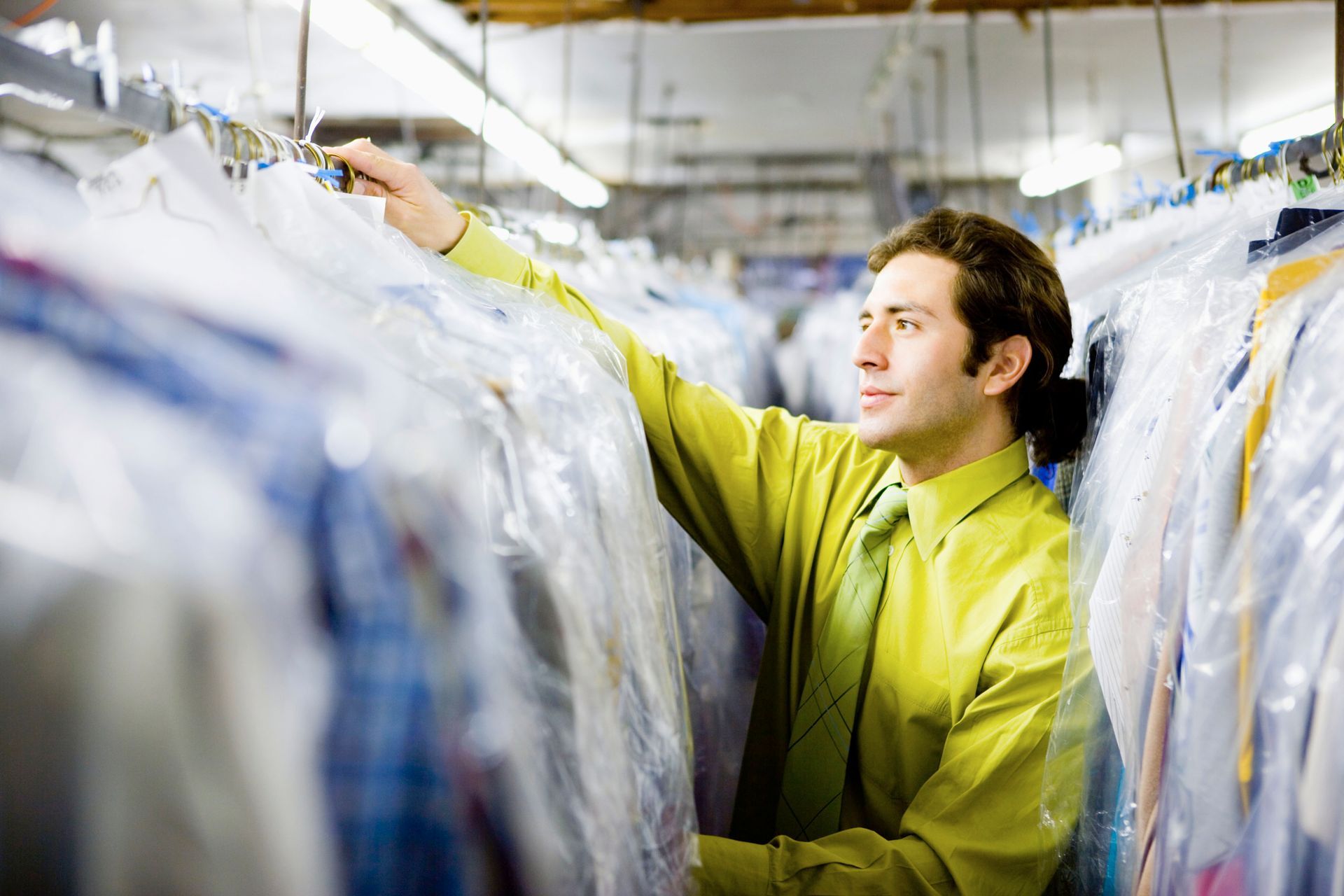
Before garments are returned to customers, technicians conduct a final inspection of the completed dry cleaning work. During this stage, staff members check for lingering stains, loose threads, or missing buttons. Minor repairs may be completed as part of the service, improving the garment's durability and appearance. Once inspection is complete, each item is carefully packaged to keep it protected during transport. This final stage highlights the detail-oriented nature of professional dry cleaning services.
3. Common Materials in Dry Cleaning
3.1 Fabrics Suitable for Dry Cleaning
Certain fabrics benefit greatly from professional dry cleaning because they are sensitive to water and agitation. Wool and cashmere garments, for example, can shrink or lose their shape if they are machine washed. Silk garments also respond well to dry cleaning because the solvent preserves their color and smooth texture. Leather, suede, and tailored suits often require specialized dry cleaning methods to maintain their structure. Understanding which fabrics benefit most from dry cleaning can help consumers care for their wardrobes properly.
3.2 Fabrics That Should Avoid Dry Cleaning
While dry cleaning is effective for many garments, some materials should avoid this process. Certain synthetic materials and PVC-based fabrics can degrade when exposed to dry cleaning solvents. Cotton blends may not require dry cleaning and may actually perform better with gentle laundering. Garments with delicate embellishments may also be safer when hand-cleaned. Reading care labels carefully helps determine whether dry cleaning is the correct method.
3.3 Impact of Dry Cleaning on Different Fabric Types
Different materials respond differently to dry cleaning processes. Sensitive fabrics such as silk and wool benefit from the solvent-based method because it avoids water damage. However, fabrics treated with special coatings may lose their protective properties after repeated dry cleaning cycles. Some synthetic materials tolerate dry cleaning well but may not require it. Understanding these differences helps customers decide when dry cleaning is the most appropriate care method.
3.4 Understanding Fabric Care Labels
Fabric care labels offer important guidance when deciding whether dry cleaning is necessary. These labels typically include symbols indicating recommended washing temperatures, drying methods, and ironing instructions. Some garments clearly state "dry clean only," indicating that water washing could damage the material. Learning how to interpret care labels helps individuals determine when dry cleaning is the safest option for their clothing.
Dry cleaning continues to play an important role in caring for garments that require specialized treatment. From delicate fabrics like silk and wool to structured clothing such as suits and coats, dry cleaning offers a reliable method for maintaining quality and appearance. The process relies on advanced equipment, professional techniques, and carefully selected solvents that clean fabrics while helping preserve their structure and color.
Understanding how dry cleaning works can help consumers make better decisions about garment care. Knowing which fabrics benefit from dry cleaning, how the cleaning process operates, and what risks or environmental considerations may exist allows individuals to maintain their wardrobes more effectively. With modern advancements and environmentally conscious practices, dry cleaning services continue to evolve while supporting both garment longevity and responsible cleaning methods. Need someone to tackle your dry cleaning? Contact Belmont Laundry & Custom Dry Cleaners today.





Share On: